Celebrating Waylan's Ku-Ku Burger
Every Route 66 Landmark Has a Story
“"Miami has been a good town. Miami has really been the greatest place I've ever thought I could be."
— Gene Waylan, Owner of Waylan’s Ku-Ku Burger
More Than a Restaurant
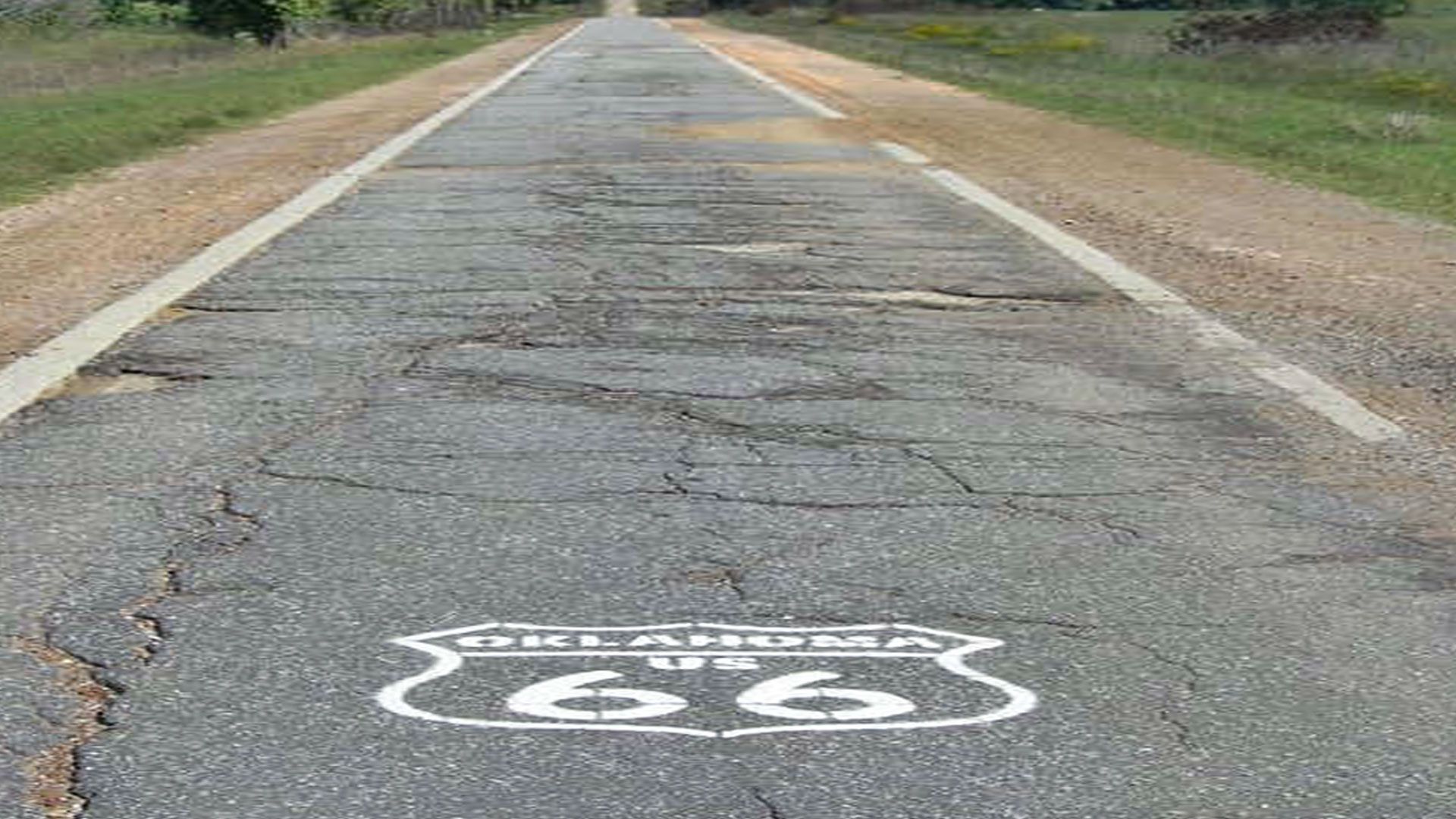
For generations of local families, Waylan's Ku-Ku Burger has been the place to celebrate Little League victories, catch up with friends over lunch, or introduce visitors to one of Miami's favorite traditions. For Route 66 travelers, it's become a must-stop destination—a place where classic American roadside culture is still very much alive.
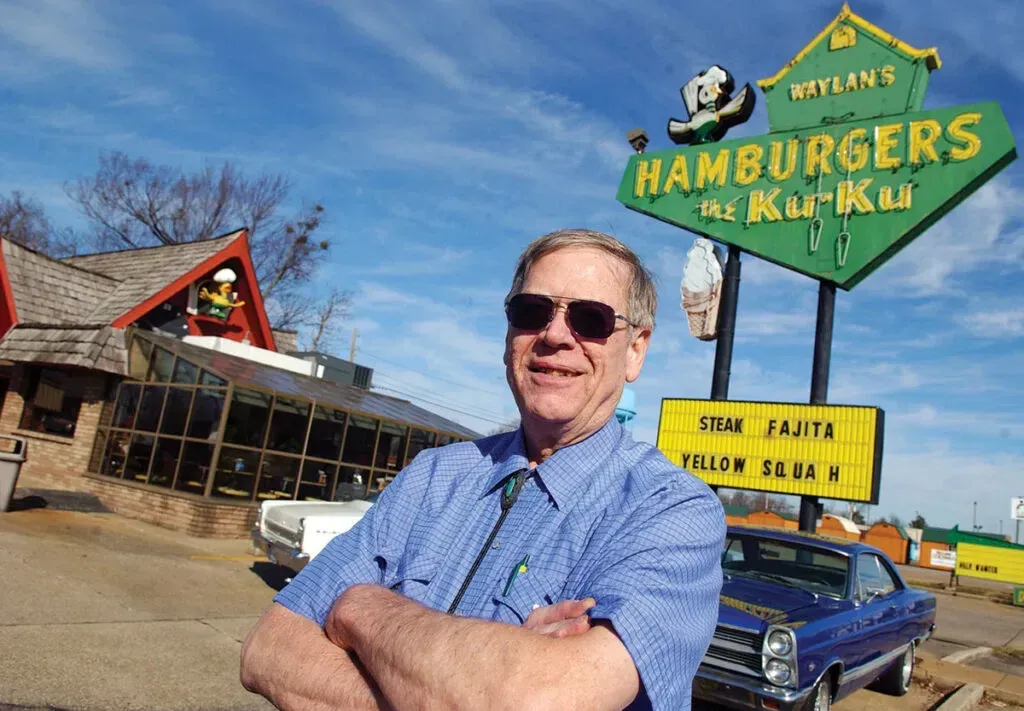
Originally opened in April 1966, Waylan's has been a downtown Miami landmark for nearly six decades. In 1973, Eugene "Gene" Waylan purchased the restaurant and has been serving its signature burgers and shakes ever since. Today, he still works the grill, welcoming customers much as he has for more than 50 years.
Waylan's enduring appeal extends far beyond northeast Oklahoma. Over the years, it has been featured in national television programs celebrating America's iconic roadside destinations, including the Travel Channel's Food Paradise, which showcased the restaurant as one of the country's memorable burger stops. It has also been featured by other national media covering Historic Route 66, introducing countless travelers to this Miami landmark long before its latest honor.
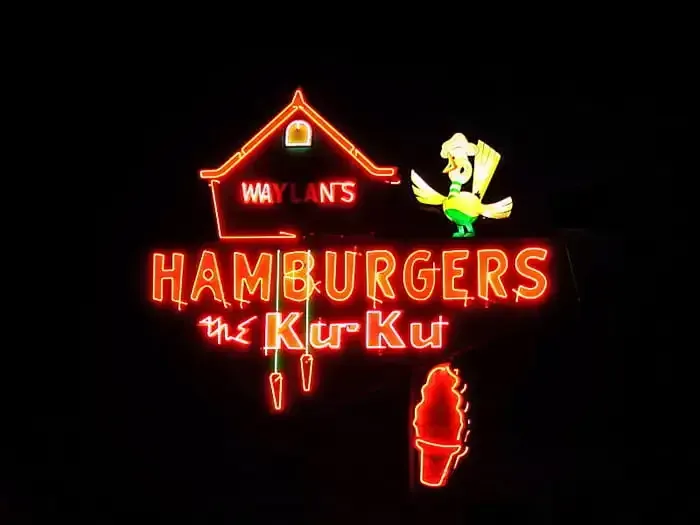
Its recent listing in the National Register of Historic Places recognizes more than a beloved local restaurant. The designation celebrates Waylan's significance as a commercial landmark along Historic Route 66 and one of Oklahoma's finest remaining examples of Googie-style architecture—a bold, futuristic design popular during America's golden age of automobile travel.

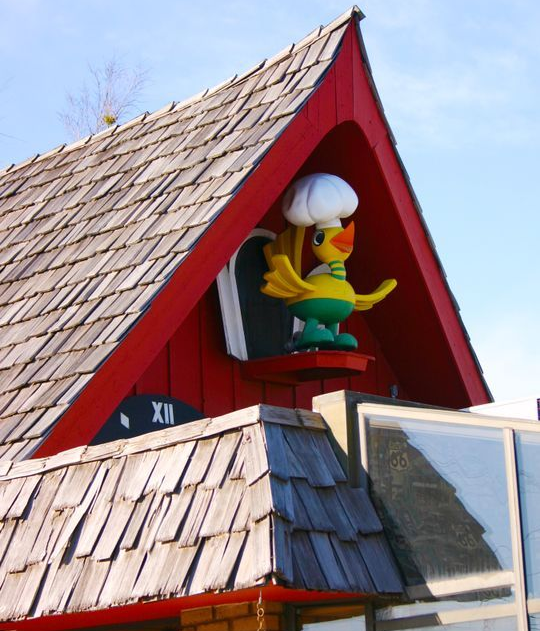
With its dramatic swooping roofline, eye-catching colors, and iconic neon sign, the building was designed to capture the attention of motorists cruising Route 66. According to
Roadside Architecture, the Ku-Ku restaurant installed a bird over the roof that chimed every hour. Perhaps most remarkable, Waylan's is the last surviving Ku-Ku Burger from a chain that once included more than 200 locations across the Midwest. Today, it stands as a rare and authentic reminder of the roadside architecture, entrepreneurship, and community spirit that helped define Route 66 during its heyday.
Why Historic Places Matter
Historic preservation isn't just about protecting old buildings. It's about preserving the stories that connect communities across generations.
Every historic place represents people:
• Families who built businesses.
• Employees who spent careers serving their neighbors.
• Travelers whose memories became part of the community.
• Local traditions that continue to shape a city's identity.
When these places disappear, pieces of our shared story disappear with them.
That's why recognition through the National Register is so meaningful. It acknowledges that places like Waylan's aren't simply businesses—they're part of America's cultural heritage.
A Shared Mission
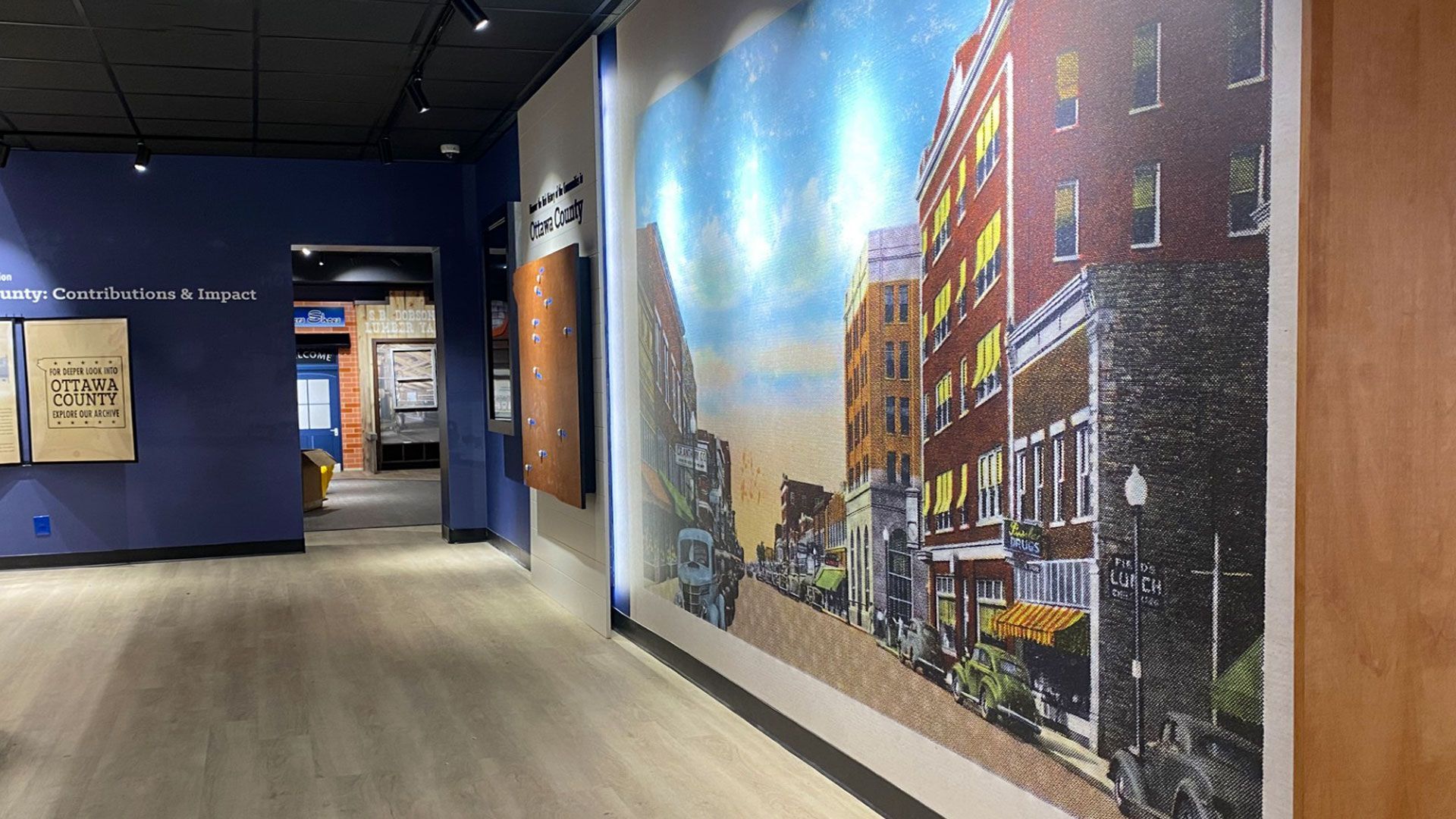
At the Dobson Museum, we believe every artifact, photograph, and historic building tells a story.
Whether it's a mining tool, a Route 66 postcard, the Nellie Dobson Home, or a beloved roadside restaurant, each helps us better understand the people who built Ottawa County.
Waylan's newest recognition is another chapter in that story.
It reminds us that history isn't confined to museum galleries. It's woven throughout our neighborhoods, businesses, downtown streets, and the places where everyday life has unfolded for decades.
Experience Miami's Living History
Long before its listing in the National Register of Historic Places, Waylan's had earned a place in the hearts of locals, Route 66 enthusiasts, and television audiences across the country. Today, that national recognition simply confirms what Miami residents have known for generations: some of America's most meaningful historic places are found where everyday memories are made.
Planning a visit to Miami, Oklahoma?
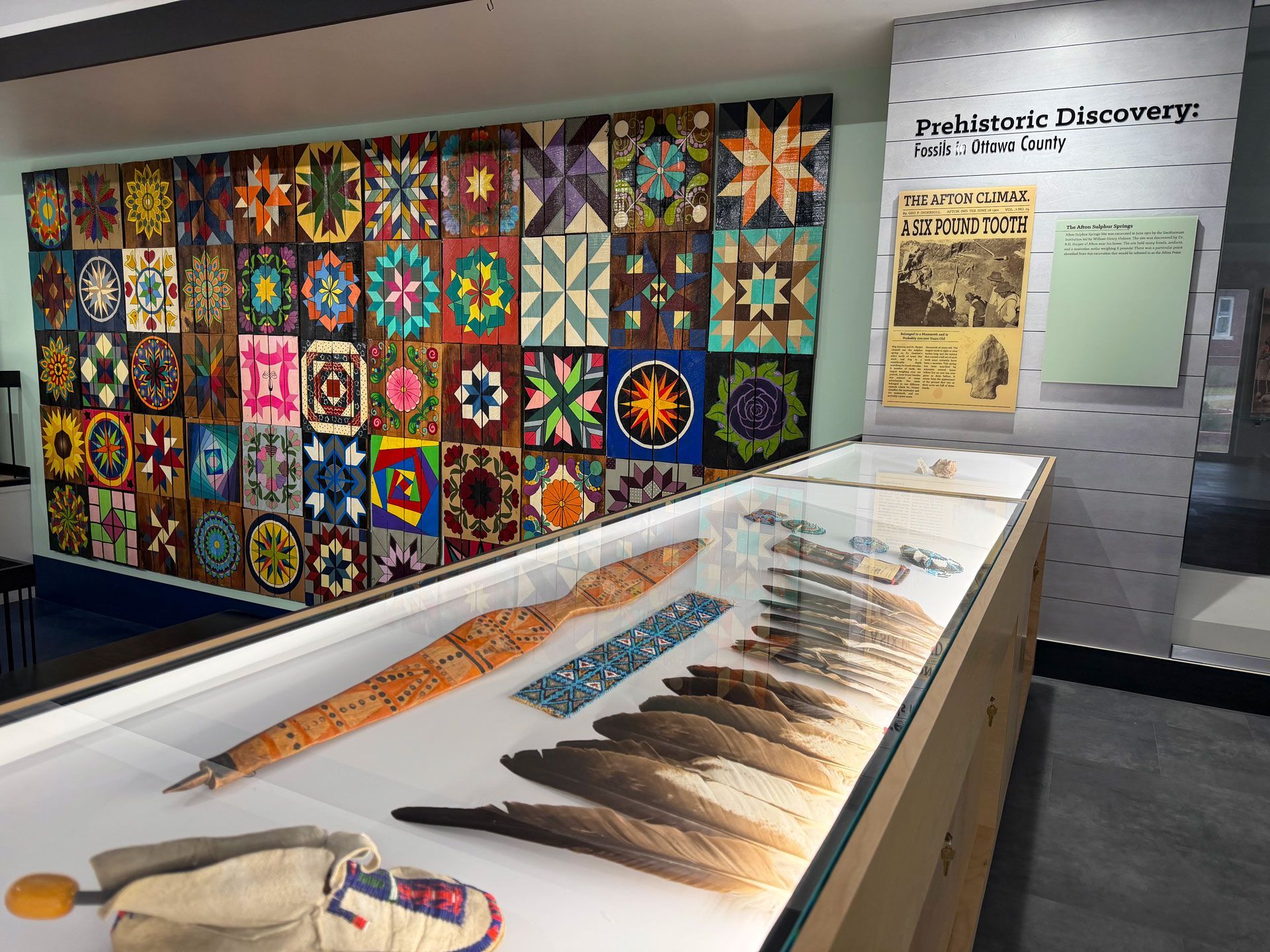
Spend the morning exploring the interactive exhibits at the Dobson Museum, where you'll discover the stories of Native American heritage, lead and zinc mining, Route 66, and the people who shaped Ottawa County.
Then head just a few minutes away to Waylan's Ku-Ku Burger to experience a living piece of Route 66 history for yourself.
Because the best history isn't just something you read.
Sometimes it's something you can see, experience—and even enjoy with a cheeseburger and a shake.
When most people think of places listed on the National Register of Historic Places, they picture stately homes, historic courthouses, or centuries-old landmarks.
But sometimes history comes with a side of fries.
This month, Waylan's Ku-Ku Burger in Miami was officially added to the National Register of Historic Places, recognizing more than sixty years of serving great food and welcoming travelers along Historic Route 66. It's a well-deserved honor for one of northeast Oklahoma's most recognizable landmarks.