When visitors explore northeast Oklahoma, they often discover beautiful landscapes, historic downtowns, and Route 66 attractions. What many do not immediately realize is that the region's identity is deeply connected to the Tribal Nations whose governments, citizens, traditions, and cultures continue to shape the communities of Ottawa County and beyond. Understanding that history adds a richer, more meaningful dimension to every visit.
A Story That Deserves to Be Remembered
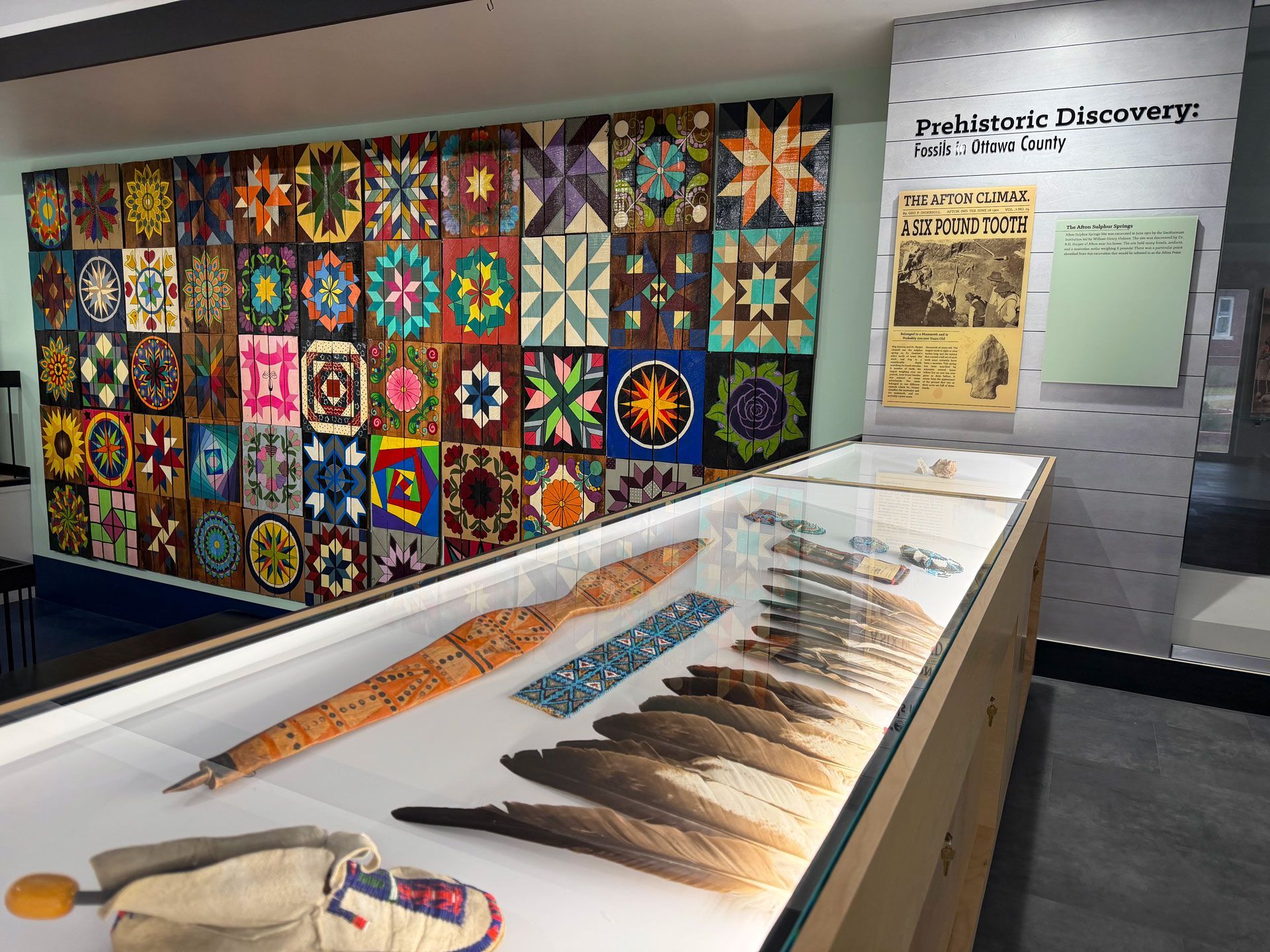
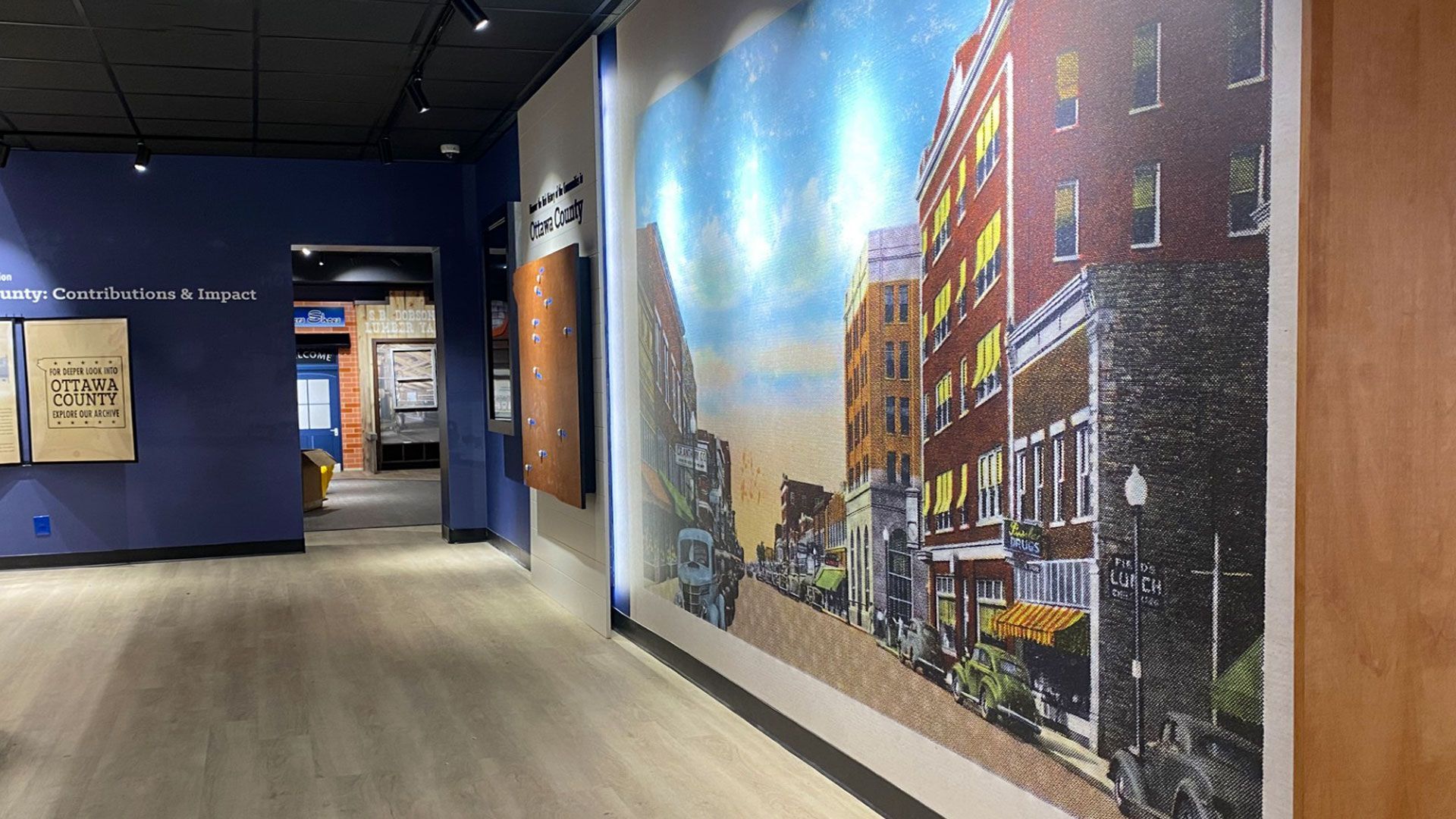
The Dobson Museum's newest video introduces viewers to this important history through historic maps, artifacts, photographs, and engaging exhibits. Rather than simply presenting names and dates, the exhibit encourages visitors to understand the people behind the history—families who carried traditions across great distances, leaders who rebuilt governments in unfamiliar places, and communities that preserved their identities despite enormous challenges.
The goal is not simply to look backward. It is to better understand the present. Every community has a story, and the story of northeast Oklahoma cannot be told without recognizing the enduring contributions of Tribal Nations.
Indian Territory and Northeast Oklahoma
Following federal removal policies during the nineteenth century, numerous Tribal Nations established new homes in Indian Territory. Over time, they built schools, churches, businesses, governments, and thriving communities. They preserved languages, ceremonies, and cultural traditions while adapting to new surroundings.
Today, Ottawa County is home to several federally recognized Tribal Nations with deep historical ties to the area, including the Ottawa Tribe of Oklahoma, Quapaw Nation, Wyandotte Nation, Seneca-Cayuga Nation, Shawnee Tribe, Peoria Tribe of Indians of Oklahoma, and the Modoc Nation. Each nation has its own distinct history, culture, and traditions. While they share geography, they should never be viewed as a single story. Each continues to serve its citizens while contributing to the economic, cultural, and civic life of northeast Oklahoma.
History That Lives On
One of the museum's most important messages is that this history is not confined to the past. Tribal governments remain vibrant institutions that provide leadership, preserve culture, support education, promote economic development, and strengthen communities throughout Oklahoma. Visitors quickly discover that the influence of Tribal Nations can be seen in museums, cultural centers, public art, historic sites, community events, and the very names of many towns and landmarks.
Learning this history encourages a deeper appreciation for the region and reminds us that history is most meaningful when it helps us understand the people who continue to shape our communities today.
Why the Video Matters
Short educational videos can spark curiosity that leads to lifelong learning. Whether you're a student researching Oklahoma history, a teacher looking for classroom resources, a genealogy enthusiast, or a traveler following Historic Route 66, this video offers an accessible introduction to an important chapter of American history. It provides helpful context before exploring the museum's exhibits in person and encourages respectful conversations about the past and its continuing influence.
Plan Your Visit
The Dobson Museum invites visitors to explore these stories through thoughtfully curated exhibits, artifacts, and educational programs. Whether you have an hour or an afternoon, the museum offers an opportunity to discover the people, places, and events that shaped northeast Oklahoma.
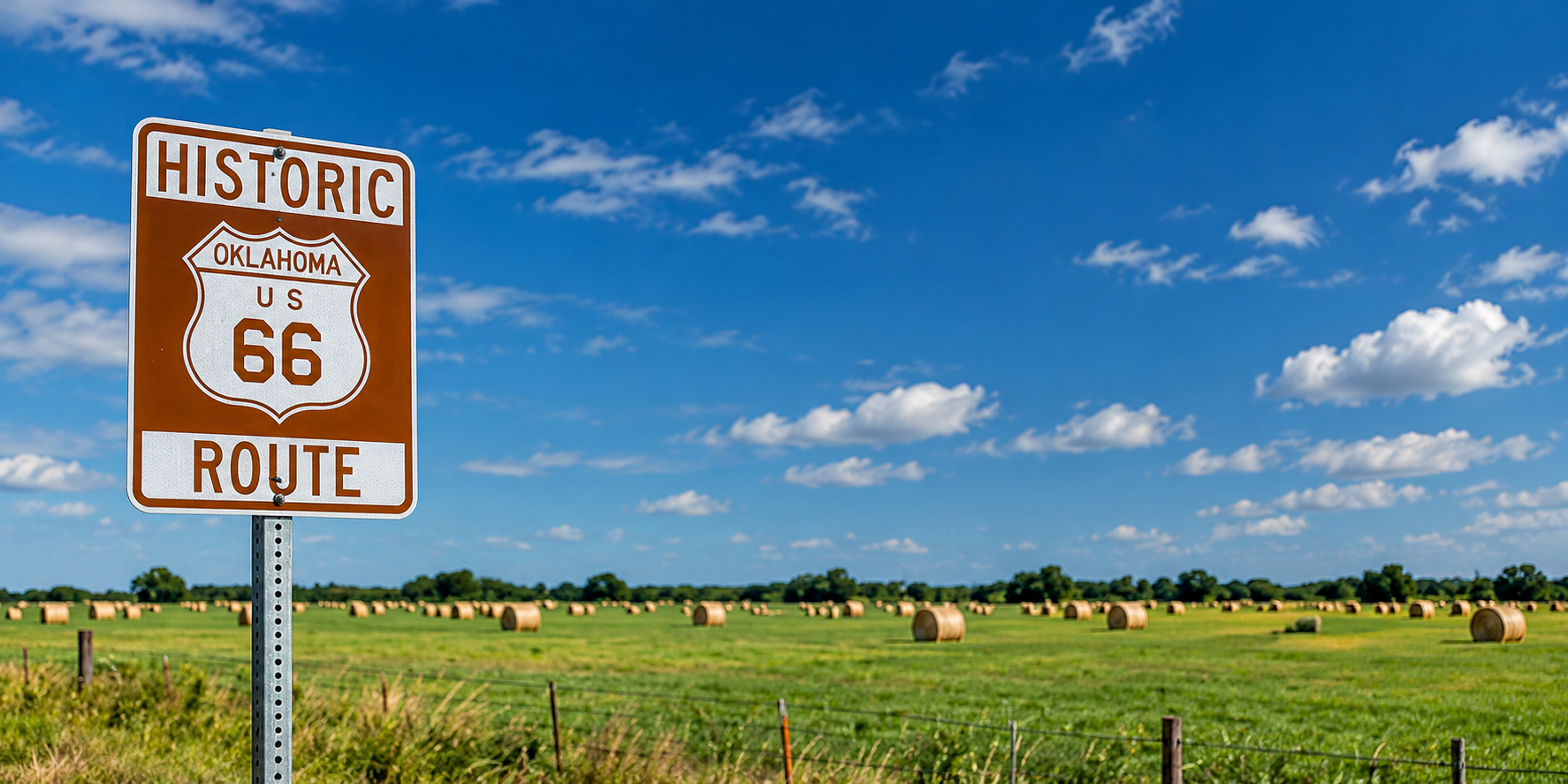
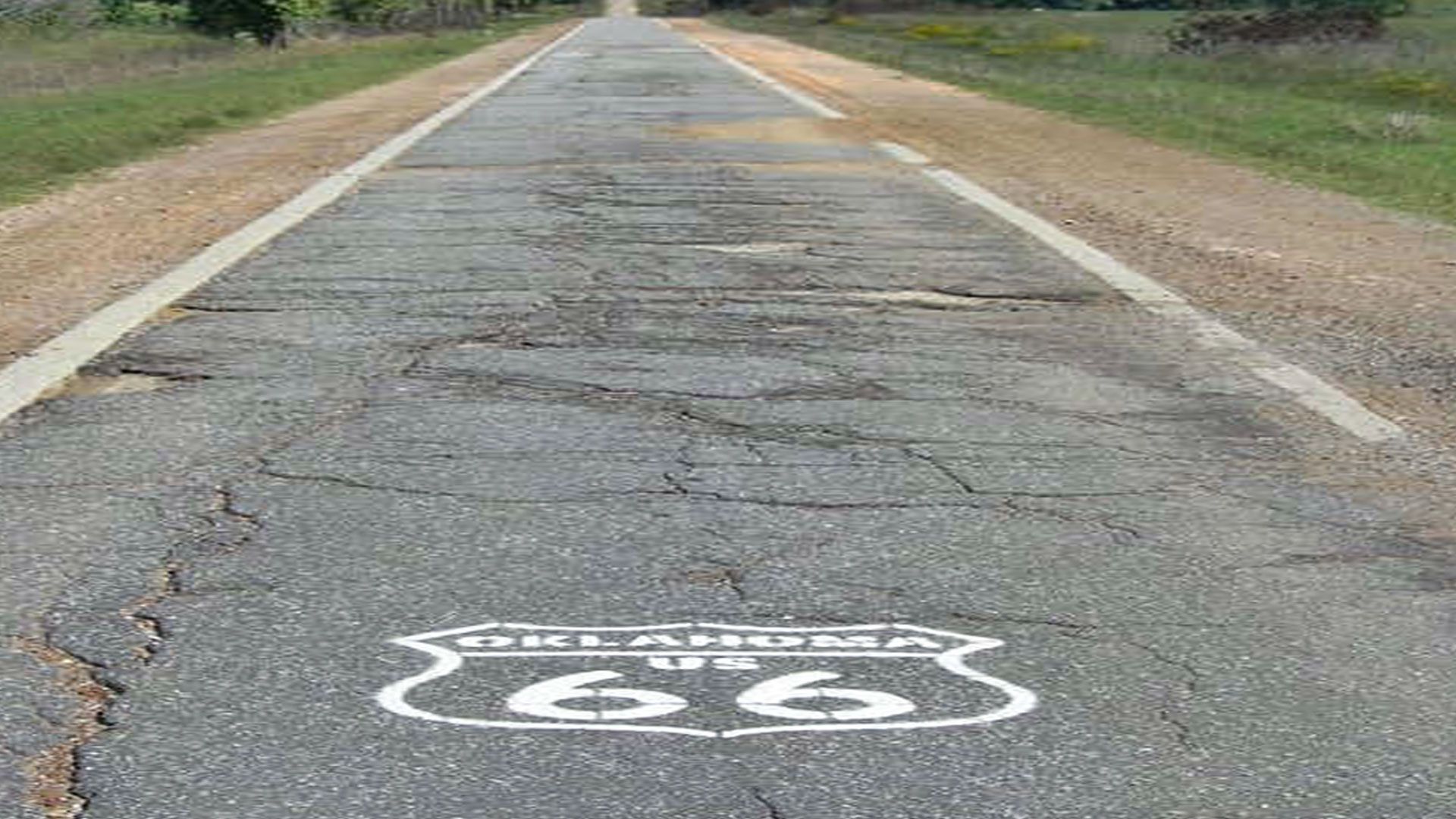
If you're traveling Route 66, make the Dobson Museum one of your stops. You'll leave with a deeper understanding of Miami, Oklahoma, a greater appreciation for the enduring legacy of Tribal Nations, and a renewed perspective on the history that surrounds us every day.
Watch the Video
We invite you to watch our latest video on Native American resettlement and share it with friends, family, educators, and anyone interested in Oklahoma history. By learning about the past with curiosity, humility, and respect, we help ensure these important stories continue to be remembered for generations to come.